The “I Just Arrived” Setup: What Students Should Do First in Portugal

You know that first-week feeling: you've landed, found the campus, posted the "I made it" story… and then Portugal gets practical.
Your phone runs out of data. Your landlord texts: "Send me your NIF and IBAN for the contract." A website won't let you sign up without a Portuguese number. A classmate says, "Just MB WAY me." Suddenly, you're not lost in the city — you're stuck dealing with paperwork.
Here's the thing: you don't need to become an expert in Portuguese paperwork. You just need a few basics, set up in the right order. Once you have those, everything else gets easier — housing, payments, healthcare, deliveries, your whole daily routine.
1. Get a local number and reliable data
Start with one simple goal: be reachable and stay online. A Portuguese number quickly becomes your default ID for everyday life — logins, delivery updates, bank confirmations, and appointment reminders. And reliable data is what lets you reply to a landlord in five minutes instead of five hours.
For a year-long stay, stick with the main phone companies: MEO, NOS, Vodafone (and DIGI for budget options).
Getting the SIM: the easiest places to buy
If you want the easiest experience, go to an official phone company store (often inside shopping malls and busy areas). All major companies have online store finders.
You can also buy prepaid SIM cards at big electronics stores like Worten, which sells prepaid cards from the main phone companies.
Landing in Lisbon? There's also a Vodafone store at Lisbon Airport, which is convenient if you want to walk out connected.
Prepaid vs contract
At first, prepaid makes things easy. Your housing is still changing, you don't know if you'll move to a different area, and the last thing you want is a long-term contract. MEO's prepaid cards, for example, have no contract and no required commitment ("sem contratos nem fidelização").Once you're settled, you can decide if a contract makes sense.
How much it costs (rough monthly ranges)
Most students land in a very predictable range.
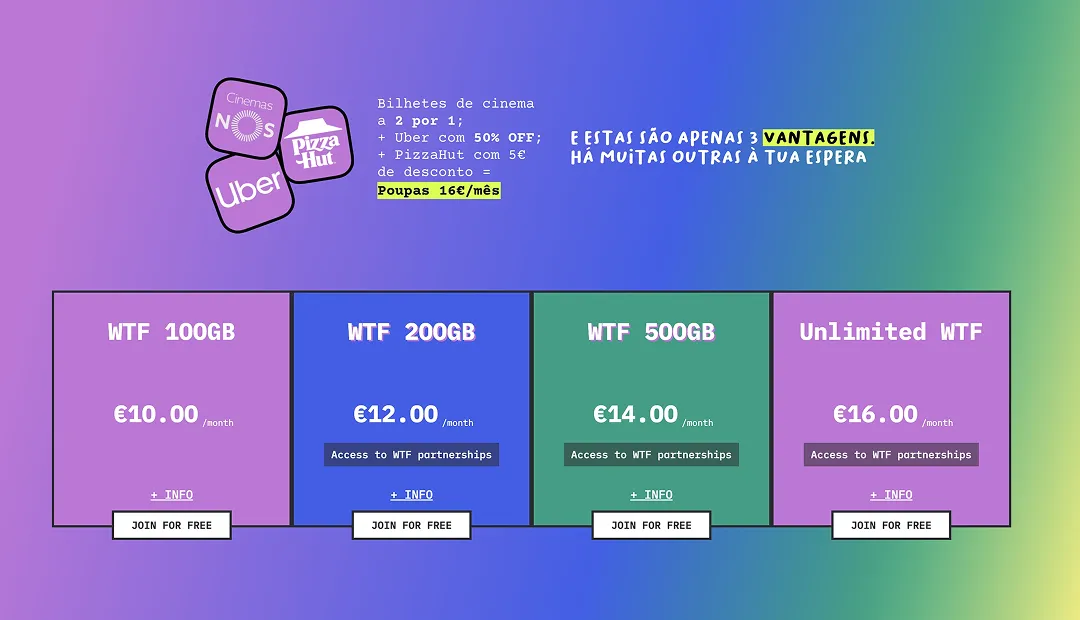
Student/Youth plans typically cost €10–16/month, depending on the data plan.DIGI offers unlimited mobile plans from €5–7/month, based on the number of lines.Vodafone's Ready SIM prepaid is €10–15 for 4 weeks, based on data.
One small thing that saves stress
Before you go to a store, have your passport/ID ready. SIM registration commonly requires valid identification.
Get a Portuguese number first, then pick a plan that gives you enough data to get through your first week without searching for Wi-Fi. Once your address is set, you can improve your plan — but at the start, "reliable" is better than "perfect."
2. Get your NIF
You'll meet the NIF quickly. Usually in one of these ways:
You're about to sign a rental contract, and landlord asks, "What's your NIF?"Or a bank employee mentions it like it's the most obvious thing in the world.Or you realize it shows up whenever something needs to look official.
NIF (Número de Identificação Fiscal) is your tax number, but for students, it works more like an ID for paperwork. It shows up on contracts, services, receipts, and anything that needs your name in a system.
If you're not a resident yet, getting a NIF usually means following one of two routes. Step 1: Decide if you'll apply in person or through a representative.
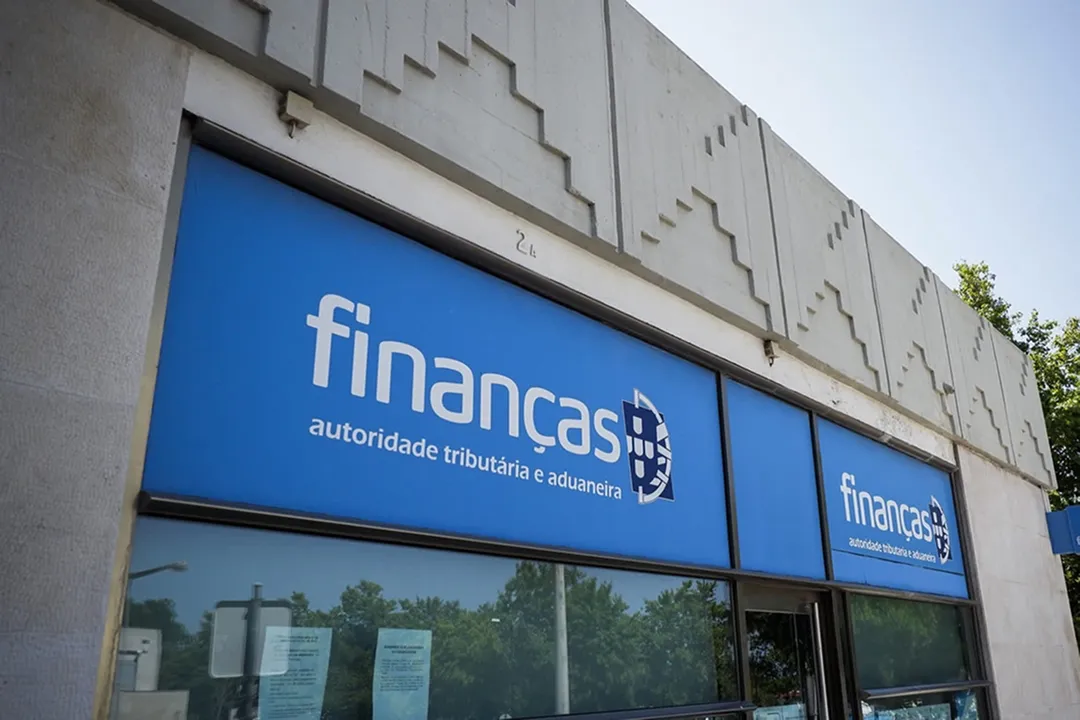
The first option is in-person: apply at a Serviço de Finanças, or Loja do Cidadão after arrival, bringing your passport/ID and proof of address. The Tax Authority states that a tax representative is not needed when a NIF is assigned as a non-resident.
The second option is online: apply before or after arriving via a Portuguese fiscal representative. This can be a trusted resident or citizen, or you can use a paid service for representation and submission.
Step 3: Know this nuance for later — if you get a NIF as a non-resident and later move to Portugal from outside the EU/EEA, you may be required to appoint a tax representative after establishing a tax relationship (e.g., starting work), or use official notification channels within the deadline.
Either way, once you have your NIF, the next steps stop feeling stuck — banking, contracts, and almost anything that needs your details in a Portuguese system.
3. Open a bank account and get an IBAN
The IBAN moment is basically guaranteed.
Your landlord wants it for rent and the deposit. A service asks for a direct debit. Even if you're careful with money, daily life here is easier once you have a Portuguese account that can send and receive local payments.
Which banks do students usually start with?
Portugal's biggest retail banks include Caixa Geral de Depósitos (CGD), Millennium bcp, Santander Totta, BPI, and Novo Banco.For a student, those are the "safe default" options because they offer many branches and clear ways for new customers to open accounts.
If you want a practical starting point, many newcomers try CGD (Caixa) early because it has a large branch network (so you have more chances to find a branch that's used to international students).Just be prepared: it can take time, especially if you don't fit the bank's fastest online path.
For example, CGD's online account-opening flow is designed for people who already have Portuguese residency/address and a Portuguese Citizen Card or Chave Móvel Digital. So if you're a new international student, it's normal if the "open in app" option doesn't work for you yet. In that case, going in person is often the realistic route.

Can you open a bank account without a residence card?
Sometimes, yes — but it depends heavily on your nationality/status and the bank's policy.
Santander is very explicit: to open an account at a branch, you need ID + NIF, and if you're a foreign national, you also need proof of address/profession/employer. If your nationality is outside the Schengen Area and the UK, they list Residence Authorization as an additional requirement.ActivoBank publishes a similarly clear rule on its help pages: a passport is accepted only if you're a citizen of Europe/Schengen/UK; otherwise, they require a Portuguese residence card.
So yes: non-EU / non-Schengen students often face stricter requirements than EU/Schengen/UK citizens, and some banks may not open an account until you have a residence permit. This "stricter documentation for non-EU" pattern is also highlighted in expat-focused guidance (including notes about extra compliance checks and sometimes legalized documents).
What to bring (so you don't waste your appointment)
Requirements vary, but the recurring pattern across bank guidance is:
Passport/IDNIFProof of address (Portugal or abroad, depending on whether you're opening as a resident or non-resident)Proof of income / funds or proof of enrollment (some banks accept student documents)
Millennium bcp, for instance, lists proof of address and also explicitly includes student proof (student card / enrollment / tuition payment) as acceptable "professional status" documentation.
A very Portuguese tip: try more than one branch
This isn't about "rules changing," it's about experience. One branch may be used for international students and know exactly what to do; another may be cautious and say no quickly. If you have the time, try another branch of the same bank (especially with CGD, because the network is large).
A useful backup: Revolut, Wise
If you can't get a Portuguese bank account immediately (or you're stuck waiting for an appointment), a lot of international students use a "bridge account" for the first few weeks.
Revolut is a common fallback. Revolut Portugal provides a local IBAN, and its help page notes uses like salary and direct debits (including utilities).Cost-wise, Revolut's Standard plan is free, with paid plans starting at €3.99/month.
Wise is another good option, especially if you're sending money from another country. Wise lets you open an account for free, and you usually get your own EUR IBAN (often from another EU country, like Belgium).Wise doesn't charge a monthly fee in the usual sense — you mainly pay per transfer/exchange depending on what you do.
If you want other alternatives in the same category, some students also use EU digital banks like N26 or bunq (they're designed to work across SEPA and can be opened on a phone, depending on eligibility and KYC checks).
4. Learn Portuguese payments: Multibanco first, MB WAY next
At some point, you'll see "Multibanco" and assume it means "ATM." Then you'll notice it's everywhere — because it's the national network behind a lot of day-to-day payments and services.
And then you'll hear the phrase that becomes part of student life:
"Just MB WAY me."
MB WAY is the everyday shortcut for paying people back, splitting bills, and making shared living smoother. Groceries, utilities, the "I paid for the Uber" moment — it's the tool people reach for first.
Do you need a Portuguese bank account to use MB WAY?
In most cases, yes — MB WAY needs a bank card from a bank that works with the app, because the app connects your phone number to that card. MB WAY's own site explains that you need to be a customer of one of the participating banks and add your bank card to MB WAY.
That said, there's an important 2025 update: Revolut joined MB WAY / Multibanco in October 2025, meaning Revolut customers in Portugal (with a Portuguese IBAN) can use MB WAY features through Revolut as well.
How to activate MB WAY
The classic setup takes two minutes, and MB WAY explains it in a simple two-step flow.
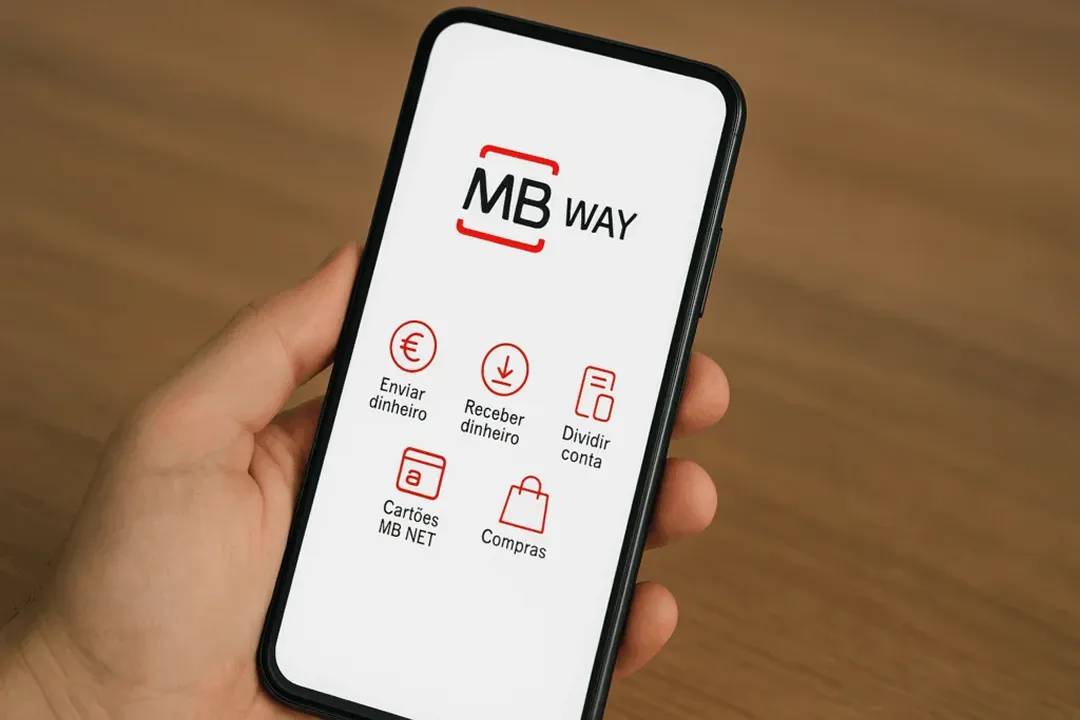
You go to a Multibanco ATM, choose the MB WAY option, enter your phone number, and set a 6-digit MB WAY PIN. Then you download the MB WAY app and log in with the same phone number and PIN.
You can also start inside the app (instead of at the ATM): the MB WAY help pages describe an activation flow in which you select your bank, add your card (automatic read or manual), set the 6-digit PIN, and confirm via an SMS activation code.
5. Healthcare in real life: what to do when you're sick
Nobody wants to think about this until they're sick in a cold apartment on a rainy day. But if you're staying close to a year, it helps to decide your "default route" now — so you're not making decisions while panicking.
If it's a serious, life-threatening emergency, call 112. If it's not life-threatening but you need advice (fever, bad cough, stomach pain, a sprain, "should I go somewhere?"), call SNS 24 at 808 24 24 24. They check your symptoms and tell you where to go next.SNS 24 also has an official website and app, which are helpful when you want to avoid quickly explaining your symptoms over the phone.
Insurance: what students usually have (and what it's for)
If you're an EU/EEA/Swiss student, the simplest baseline is the EHIC, which gives access to medically necessary care in Portugal during a temporary stay under the public system conditions.If you're non-EU, you'll typically need private coverage, and you often need it before you arrive because visa checklists include travel medical insurance covering emergency care and repatriation (and the Schengen minimum coverage requirements are spelled out in official visa documentation).
If you'll be dealing with residence procedures, many universities advise having proof of health insurance or proof that you're covered by the SNS for your appointment.
"Número de utente": what it is, and why it helps
In Portugal, a lot of public healthcare is organized around your SNS user number (número de utente). Having it can make things easier when you need a public appointment, a prescription, or a referral.
You can request it, but the official gov.pt service page shows that foreigners are often asked for a Portuguese NIF, a full Portuguese address, and a valid residence authorization — with some legal exceptions depending on the situation.
Where you go depends on what's happening.
If it's minor (simple cold symptoms, something you want checked but it's not urgent), people often start with a pharmacy for advice and over-the-counter options, or follow SNS 24 guidance.
For ongoing public care, the "regular" entry point is a Centro de Saúde (primary care). For serious acute situations, you go to a hospital.
If you have private insurance, you'll likely end up using private clinics/hospitals for speed and convenience, especially early on.
What urgência means (and why the waiting can feel strange)
Urgência is the hospital emergency room (ER). The main thing to know is that you are seen based on how serious your problem is, not by when you arrive. Portugal uses systems that sort patients by urgency, in line with national medical guidelines.
This is also why calling SNS 24 first is smart. Besides guiding you to the right place, EU guidance notes that you may have to pay a standard fee in a hospital emergency if you show up without a referral from primary care or SNS 24 (with some exemptions).
If you're buying private coverage in Portugal, what students usually choose
Students usually fall into one of two categories.
Health insurance (seguro de saúde) — a proper insurance product with monthly payments and a network/reimbursement model. Common mainstream names in Portugal include Médis, Multicare, and Allianz Saúde. Médis publicly advertises entry pricing "from €12.80/month" (pricing varies by profile/coverage).
Health plans (planos de saúde) — more like membership or discount programs linked to a group of clinics (useful for cheaper private appointments, but not the same as full insurance). Examples include Plano +CUF (starting at €12/month, with prices varying by number of people) and Lusíadas Plan (about €11–12/month, depending on how you pay).
6. NISS
The first time you hear "Do you have your NISS?", it usually comes with an opportunity attached: a paid internship, a part-time contract, a freelance gig, a project that suddenly becomes "official."
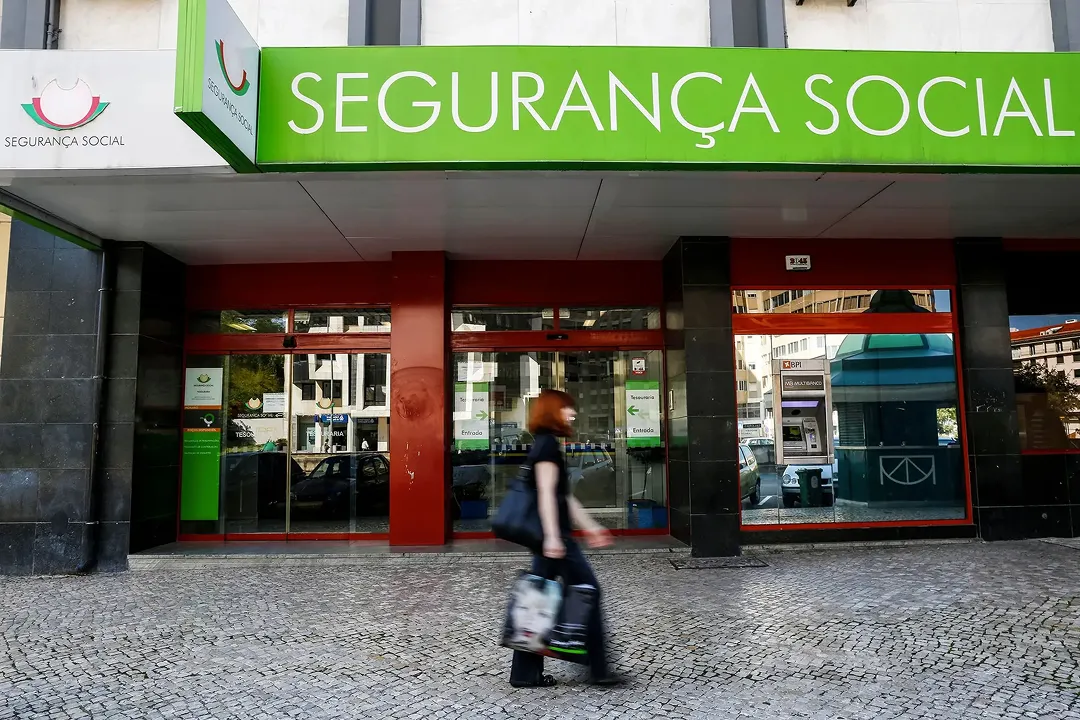
NISS (Número de Identificação de Segurança Social) is your Social Security number. If you work in Portugal (as an employee or freelancer), it's how you are registered for payments and how you appear in the system.
And even if you don't plan to work right away, it can still save you stress later: AIMA has explicitly stated that completing certain residence-renewal processes (including long-term resident title renewal via the renewals portal) requires a NISS. For students staying close to a year, the practical takeaway is simple: if there's any chance you'll deal with residency portals or renewals don't leave NISS until the last week.
Can you get a NISS if you're "non-resident"?
Often, yes — but usually only if you're already in a legal pathway to reside/work.
Portugal's government describes eligibility for the "integrated identifiers" flow (NIF + NISS + NNU in one go) as including foreigners holding a residence visa or residence authorization, as well as EU nationals, among other categories.In other words, no residence card yet can still be fine if you have a residence visa / residency process underway.
In real life, instructions for foreigners often require proof that you are in the process of obtaining legal residence (for example, a residence visa or an application), along with your ID and proof of your work (such as a job contract or proof of self-employment).
How to get it
Route A: Apply online (most common).
The usual way is to apply online through Social Security, using the "Sou Cidadão" menu and the NISS request form. Guides from major banks and consumer groups describe the same process: you send the form with your documents, and you get confirmation later.
A very student-relevant detail: if you're starting a job with an employment contract, the employer can request the NISS for you (companies often handle this as part of onboarding).
Route B: One-stop "three numbers" service (NIF + NISS + NNU).
Portugal launched a service that lets eligible foreigners request a NIF, NISS, and the National Health User Number in a single in-person visit at selected Espaços Cidadão (including locations in Lisbon and Porto). You go with your passport, activate Chave Móvel Digital during the appointment, and the numbers are later sent to you online (by email or on the gov.pt website).
What to do with it once you have it
Keep your NISS somewhere you can actually find it (Notes app + a screenshot saved offline). If you later have to interact with AIMA systems, it's not just "having a NISS" — sometimes it's also about it being correctly associated in records, and AIMA explicitly flags NISS as a requirement for successful renewal in some flows.
The point isn't to become obsessed with paperwork. It's to avoid the classic scenario: you finally get an offer… and then lose two weeks because a form needs a number you don't have yet.
7. Deliveries and lockers: how to receive packages with a temporary address
The move-in phase is messy. You're in short-term housing, you're out during delivery hours, and you still need basics fast (adapter, bedding, a kettle) without spending every weekend running around town.
This is where Portugal is quietly brilliant: pickup points are everywhere, and many of them look like the most normal neighborhood shops.
Lockers and pickup points (so you don't have to be home)
If your routine is unpredictable, CTT Locky lockers are a lifesaver. When a parcel arrives, you receive a notification and can collect it at your convenience. CTT says you generally have up to 5 days from the date of the arrival notice to pick up.
Lockers are also part of a bigger ecosystem. CTT's pickup network includes CTT stores and pickup points, Payshop agents, and Locky lockers — so you can often choose "pickup" instead of home delivery.

And yes: pickup points are often small local shops. Payshop describes its agent network as neighborhood businesses such as papelarias, tabacarias, kiosks, supermarkets, and similar places.
Online shopping: Amazon Spain (and Germany) is a common student default
Portugal doesn't have a standalone Amazon store, so students often order from Amazon.es (Spain) and sometimes from Amazon.de (Germany), depending on price and availability. Both have official guidance on international delivery to other countries (including Portugal), and eligibility depends on the item and the address.
A practical bonus: CTT announced that Amazon customers in Portugal can pick up orders across its pickup network (stores / pickup points / Payshop / Locky), which is perfect if you're rarely home during delivery hours.
AliExpress and Temu
Students use AliExpress and Temu all the time for small, cheap items — just don't be surprised by how EU import rules work.
Since July 2021, VAT applies to all goods imported into the EU, regardless of value, and an import declaration is required for all goods entering the EU. For goods over €150, you may also have to pay customs duties (in addition to VAT), depending on the product.
In real life, this usually means one of two situations.
If the platform collects VAT at checkout (often using the EU's IOSS system for packages up to €150), the package usually goes through with fewer "surprises." The EU explains that IOSS is one of the ways used to collect VAT on low-value packages (up to €150).If VAT wasn't paid at checkout, CTT says you'll be notified during the import process, and you'll pay VAT plus a CTT customs handling fee. For purchases up to €150, CTT charges a €7 service fee (plus VAT); for purchases of €150–1000, the service fee is €14 (plus VAT or other taxes, depending on the case).
One more thing to know: the EU has agreed on a temporary €3 fee on low-value online shopping packages entering the EU starting 1 July 2026, aimed at the large number of small packages from sites like Temu, Shein, and AliExpress. Expect these sites to add this fee to prices or shipping once it starts.
If you truly don't have an address yet
CTT also offers Posta Restante, which lets you receive mail at a chosen CTT post office — perfect for people without a fixed address (or who are not near their usual one).
In your first month, delivery stress usually comes from one thing — being away when the courier arrives. Lockers and pickup points solve that, and in Portugal, that often means picking up your parcel from a tabacaria, like it's the most normal thing in the world.
Bonus: Chave Móvel Digital (CMD)
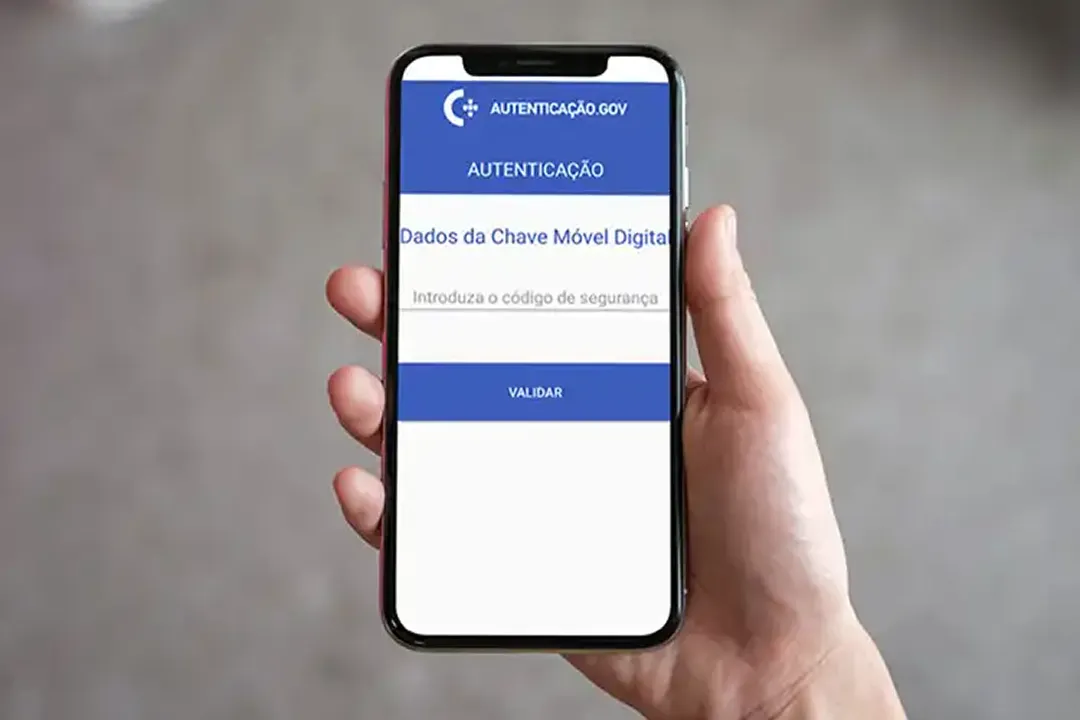
CMD is Portugal's "digital key" for logging into many public (and some private) services and signing documents online. It links your mobile number to your ID document (for foreigners: usually your passport or residence title/card) and then uses a PIN + a one-time code for each login.
Do non-residents need CMD?
Not always. If you're in Portugal for studies and you're mostly dealing with your school + everyday life, you can live without CMD for quite a while.
Where it becomes genuinely useful is when you start touching Portuguese "portal life" (government platforms, digital forms, authentication, online signatures). That's when CMD turns from "nice to have" into "why didn't I do this sooner."
Can foreign students activate CMD?
Yes. Official guidance states that any foreign citizen can request CMD and activate it with a passport or a residence card/title. One important detail: if you activate CMD using a residence card/title, you'll need a Portuguese NIF.
How to get CMD
For foreign citizens, the most straightforward way is in person.
Go to an Espaço Cidadão and request/activate CMD with your passport (or residence card/title). You'll need to provide a mobile number, and you must have your phone with you when you make the request.If you're outside Portugal (or you want to do it before you arrive), foreigners can request a CMD at a Portuguese consulate. IRN notes that passport-based requests may only be available at some consulates (they cite examples such as Brussels, London, Paris, and São Paulo).
Online/video routes exist, but the official Justice guide makes it clear that videoconference activation is tied to the Citizen Card flow — so for most international students, Espaço Cidadão / consulate is the realistic path.
What it looks like once it's active
When you log in to a portal using CMD, you typically enter your phone number and the CMD PIN, then confirm with a temporary code (SMS/email/app notification).
If you want a clean student rule: CMD isn't urgent in week one, but if you're staying close to a year and expect to use Portuguese portals, it's worth doing once your basics are sorted (phone number + NIF + bank).
Once you've sorted your Portuguese number, stable data, NIF, IBAN, Multibanco/MB WAY, a simple healthcare plan, and a delivery plan, you're past the hardest part. You can handle daily life without constantly hitting a wall, and you can spend your energy on what you came for: your course, your projects, your people, and actually enjoying Portugal.
If students struggle in the first month, it's usually because they postpone the NIF, lock themselves into long contracts too early, expect MB WAY to work instantly, save healthcare numbers only after they get sick, or order things online before they have a reliable delivery plan. Avoid those, and your first weeks get a lot smoother.
Useful resources
Mobile operators (SIM/eSIM + student plans)
Vodafone (Portugal) — https://www.vodafone.pt/
Yorn (Vodafone youth/student plans) — https://www.yorn.net/
MOCHE (MEO youth/student plans) — https://www.moche.pt/
NOS (Portugal) — https://www.nos.pt/
WTF (NOS youth/student plans) — https://www.wtf.pt/
NIF / NISS / Utente
Gov.pt — request NIF + NISS + SNS user number (integrated service for foreigners) — https://www.gov.pt/servicos/pedir-os-numeros-de-identificacao-fiscal-seguranca-social-e-nacional-de-utente-saude-para-estrangeiros
Portal das Finanças (Tax Authority portal) — https://www.portaldasfinancas.gov.pt/
Gov.pt — request NISS (Social Security number) — https://www2.gov.pt/servicos/pedir-o-numero-de-identificacao-da-seguranca-social-niss-
Gov.pt — request SNS user number (Número de Utente) — https://www.gov.pt/servicos/pedir-o-numero-de-utente-do-sns
Banking + IBAN (Portugal + "bridge" options)
Caixa Geral de Depósitos (CGD) — https://www.cgd.pt/
Millennium bcp — https://www.millenniumbcp.pt/
Santander Portugal — https://www.santander.pt/
ActivoBank — https://www.activobank.pt/
Revolut — Portuguese IBAN (PT) info — https://help.revolut.com/en-PT/
Wise — https://wise.com
MB WAY — participating banks — https://www.mbway.pt/bancos-aderentes/
Healthcare (when you're sick, what to call)
SNS24 — when to call SNS 24 vs INEM (112) — https://www.sns24.gov.pt/
SNS (official) — general helplines incl. SNS24 and 112 — https://www.sns.gov.pt/
Gov.pt — emergency contacts (112 + SNS24) — https://www2.gov.pt/
INEM — "Call 112" explainer — https://www.inem.pt/2017/05/30/ligue-112/
Deliveries, lockers, pickup points
CTT — find post offices / CTT points — https://www.ctt.pt/
Locky (CTT lockers brand site) — https://locky.pt/
Digital access (CMD)
Justiça.gov.pt — how to request and use Chave Móvel Digital (CMD) — https://justica.gov.pt/Guias/como-pedir-e-usar-a-chave-movel-digital