Study Graphic Design in Portugal: Skills, Portfolio, and Life in a Creative Country

If “graphic design” still sounds like something you either have talent for or you don't, here's the reality: design is a learnable skill. It's a mix of fundamentals (layout, typography, hierarchy), modern tools (Figma, Photoshop, Illustrator), and consistent practice with feedback.
Most working designers will tell you that design is a system. You learn how to structure information, guide attention, and make choices that feel intentional. You practice. You get feedback. You repeat.
In this article, you'll get both useful guidance on graphic design skills and portfolio building, and a practical look at a structured graphic design course in Portugal.
1. Why graphic design is a practical career skill.
Graphic design sits at the intersection of creativity and systems. You're not just "making things pretty." You're solving communication problems across:
- brands (identity, consistency, recognition),
- marketing (ads, social content, landing pages),
- products (interfaces, design systems, user flows),
- communication (presentations, visual storytelling).
That's also why many people enter design from adjacent paths like marketing, content, and project coordination. A strong design foundation makes you more independent and more valuable on modern teams.
2. Why study graphic design in Portugal.
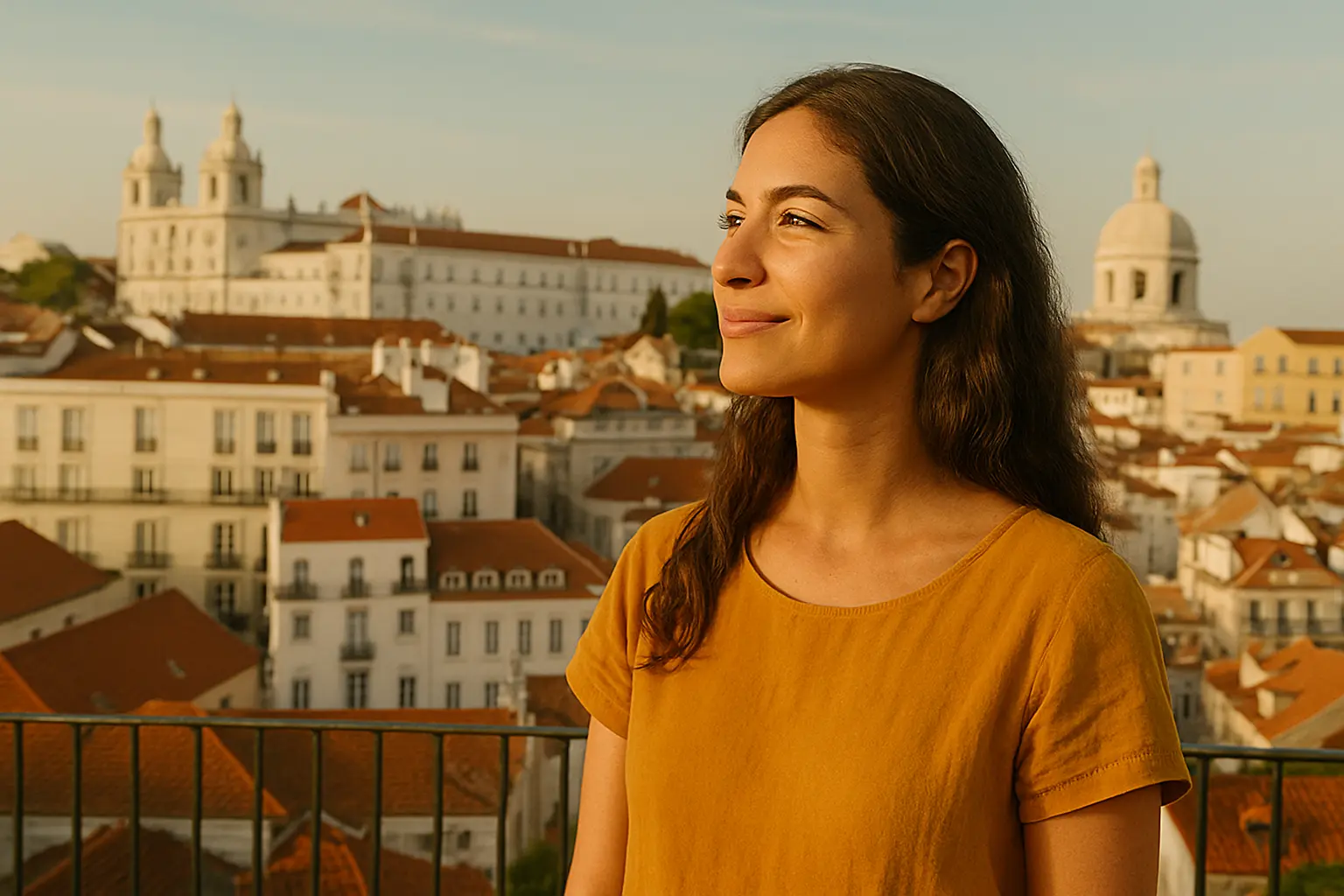
Portugal can be a great place to study graphic design in Europe because it balances two things students often need at once: a visually rich environment (inspiration) and a realistic lifestyle for steady practice (progress).
Lisbon vs Porto: two creative rhythms
If you're choosing between studying graphic design in Lisbon or Porto, focus on which city's pace and atmosphere better support your learning and creativity, rather than asking which is objectively better.
Lisbon feels more international and energetic. It's ideal for those motivated by movement, community, and networking. Porto is calmer and more compact, more suited for those who thrive on routine and deep work.
Both Lisbon and Porto offer supportive settings for design study. The important thing is to choose the city or format where you can maintain consistency in your practice.
Last week, we compared these 2 cities in our blog post, "Studying in Lisbon or Porto: How to Choose a City".
3. The graphic design skill stack that matters today.
The fastest way to feel stuck is to learn "a bit of everything" and end up with a portfolio full of random outputs. A stronger plan is to build skills in layers.
Start with fundamentals
This is what makes design look professional:
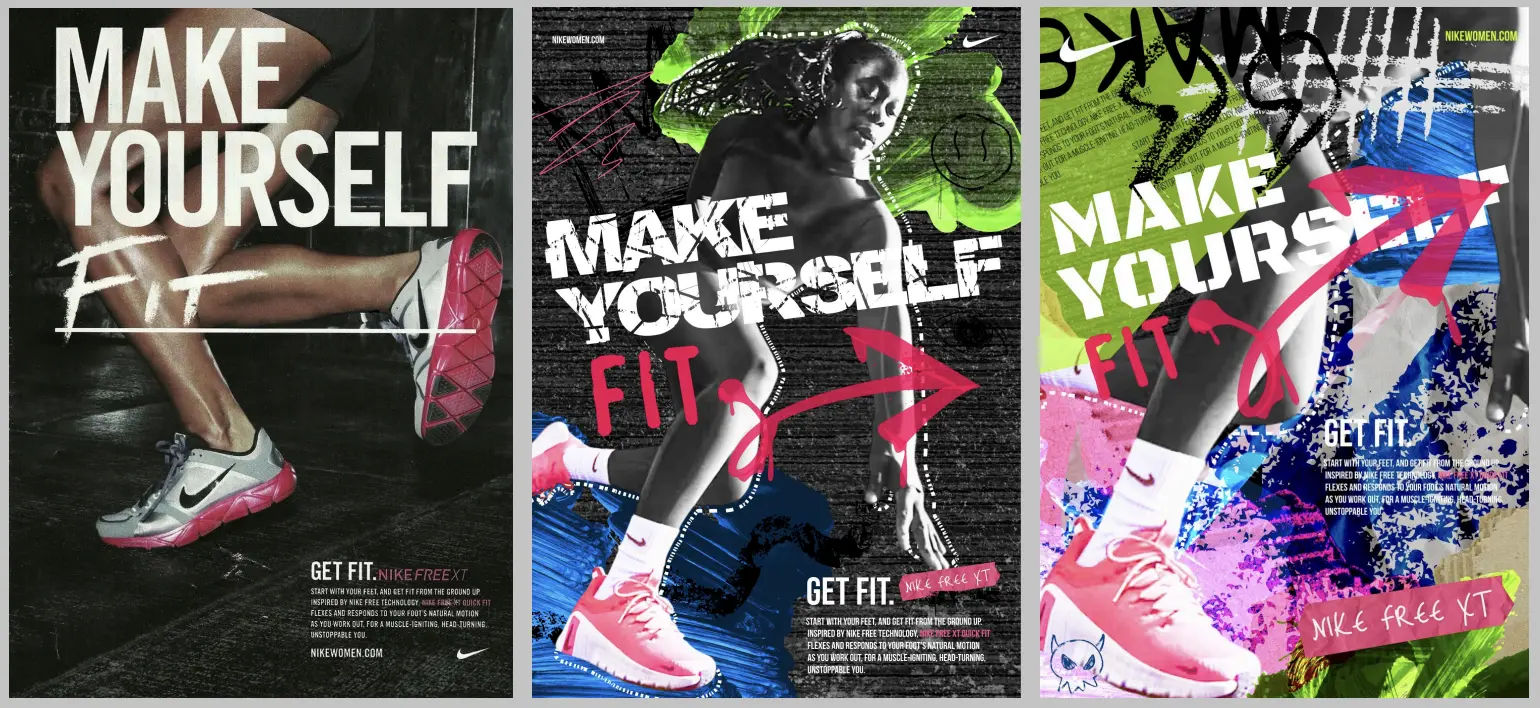
- composition and grid
- typography and hierarchy
- spacing and alignment
- contrast and color logic
- visual storytelling (design as communication)
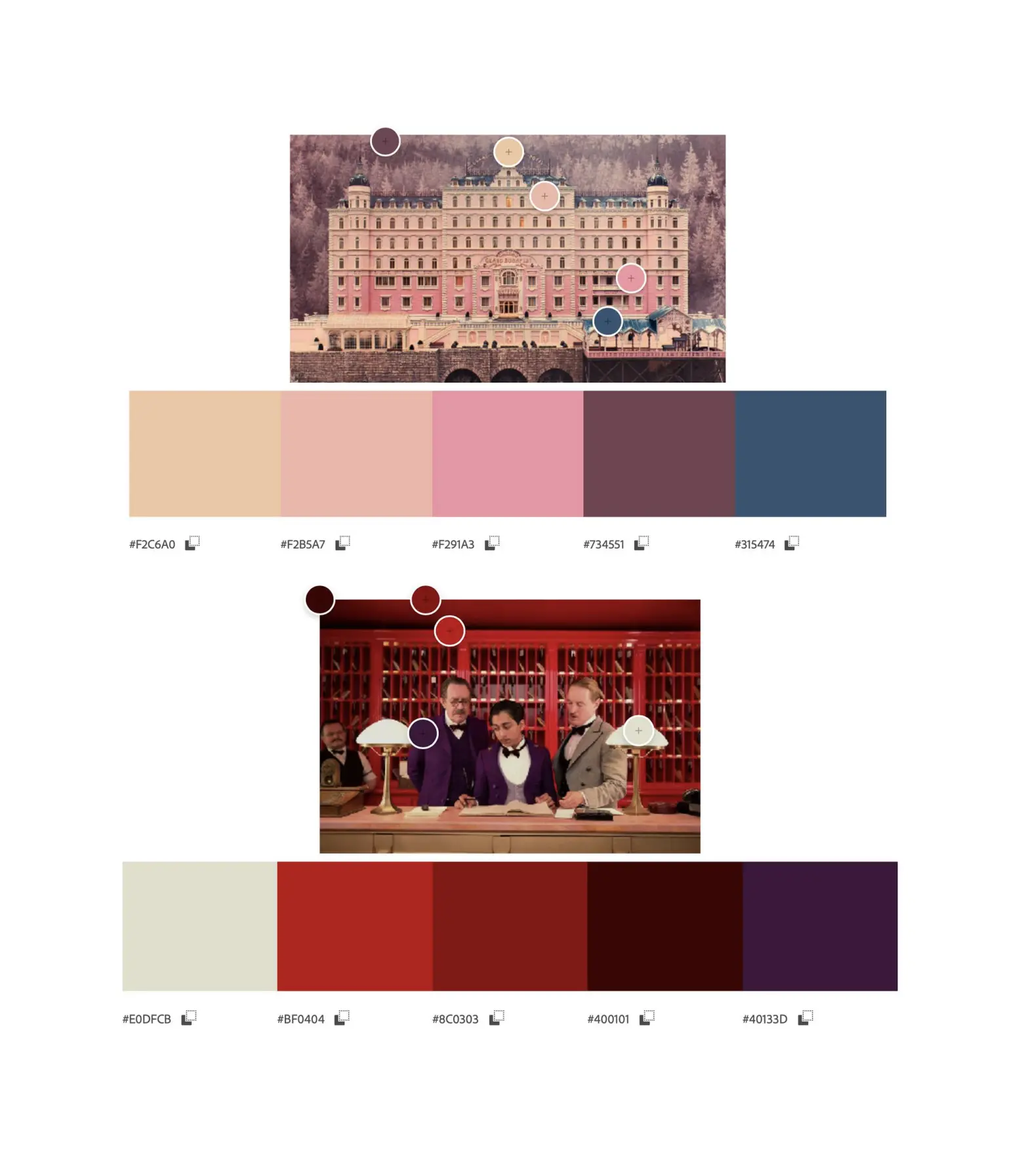
If you focus here first, your work starts looking cleaner fast — before you add any special effects.
Learn a focused tool stack.
For most beginner-to-junior workflows, a practical core toolkit is:Photoshop (image editing and assets), Illustrator (vector work), and Figma (layouts, UI, systems).
Once you're confident, you can add motion, 3D, or deeper UX/UI.
Build real-world outputs (not just "pretty design").
Many entry-level roles involve system work: brand templates, social packs, ad variations, landing visuals, and presentation decks. Delivering consistent visuals under constraints makes you employable faster.
Choose a specialization (when you're ready).
Once your foundation is solid, it helps to choose what you want to be known for:
- motion design and 3D animation, or
- UX/UI and digital product design.
4. How to build a graphic design portfolio that gets interviews
A portfolio shows you can solve communication problems and deliver consistent work.
A simple way to build a strong graphic design portfolio is to create a series of connected projects around a single fictional brand, so everything feels coherent.
Example projects: a mini brand identity (logo, type, color, assets), a campaign set (social, ads), a landing page/UI kit (Figma), and a short motion teaser.
- a campaign creative set (social + ad variations),
- a landing page or UI kit (Figma),
- a short motion teaser (10 to 15 seconds).
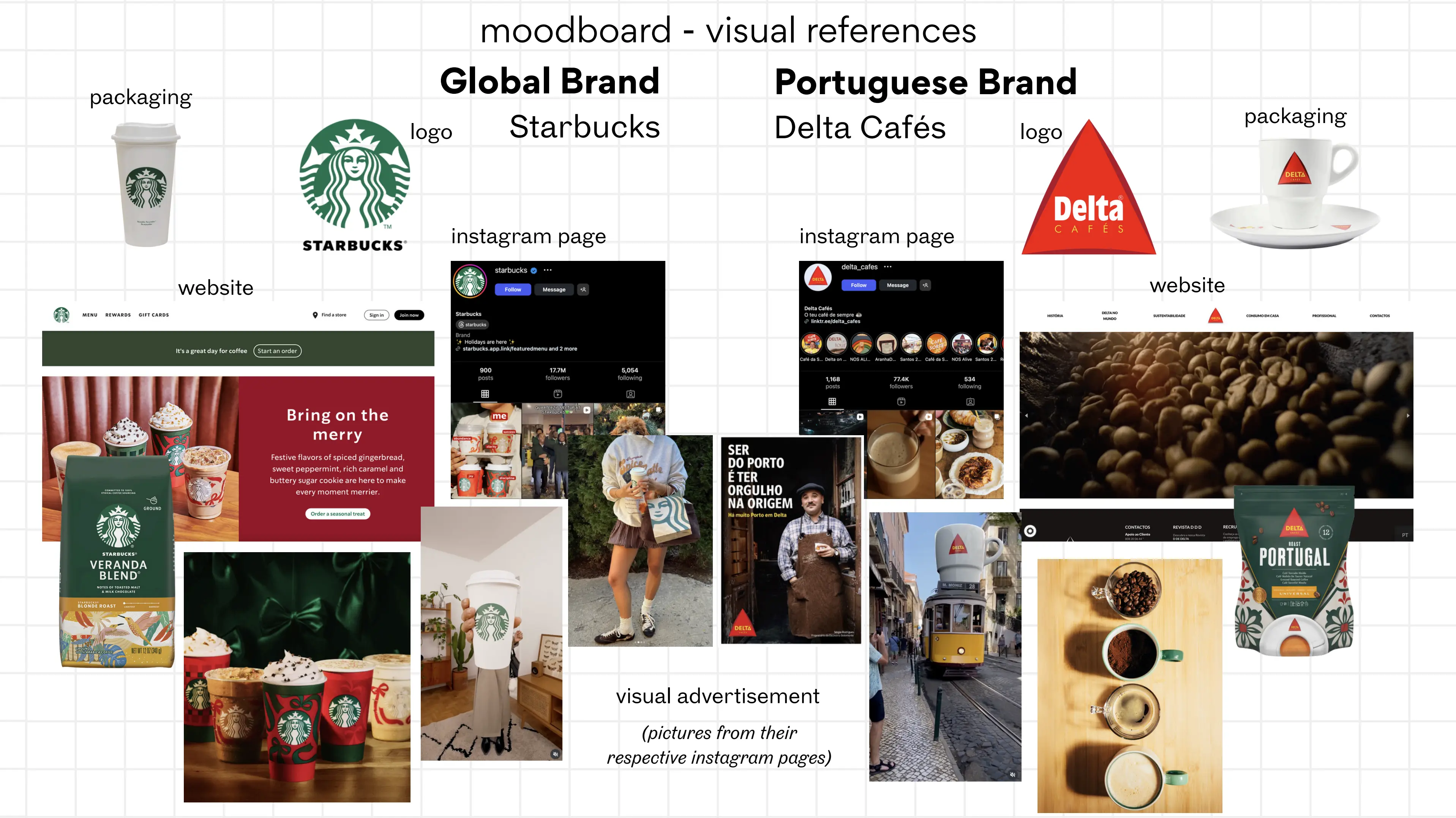
Upgrade your portfolio faster: tell clearer case studies — brief, decision points, iterations, outputs.
5. Studying efficiently: what actually speeds up progress
Most people don't quit design because they lack motivation. They quit because they lack structure:no deadlines → projects never finish; no feedback → mistakes repeat; no plan → random tutorials forever.
Whether you self-study or learn in a program, you progress faster when you have:
- project briefs,
- deadlines,
- critique,
- and a clear portfolio outcome.
6. A practical example of a graphic design program in Portugal
If you're comparing a graphic design course in Portugal, it helps to see what "structured learning" looks like in a real program: the format, the weekly rhythm, and what you'll have in your portfolio at the end.
Facultét offers two Graphic Design programs in Lisbon and Porto in a blended format (40% offline + 60% online). The suggested study rhythm is about 2-3 hours per day, twice a week, and the overall path is presented as 13 months of training plus 2–4 months of internship.
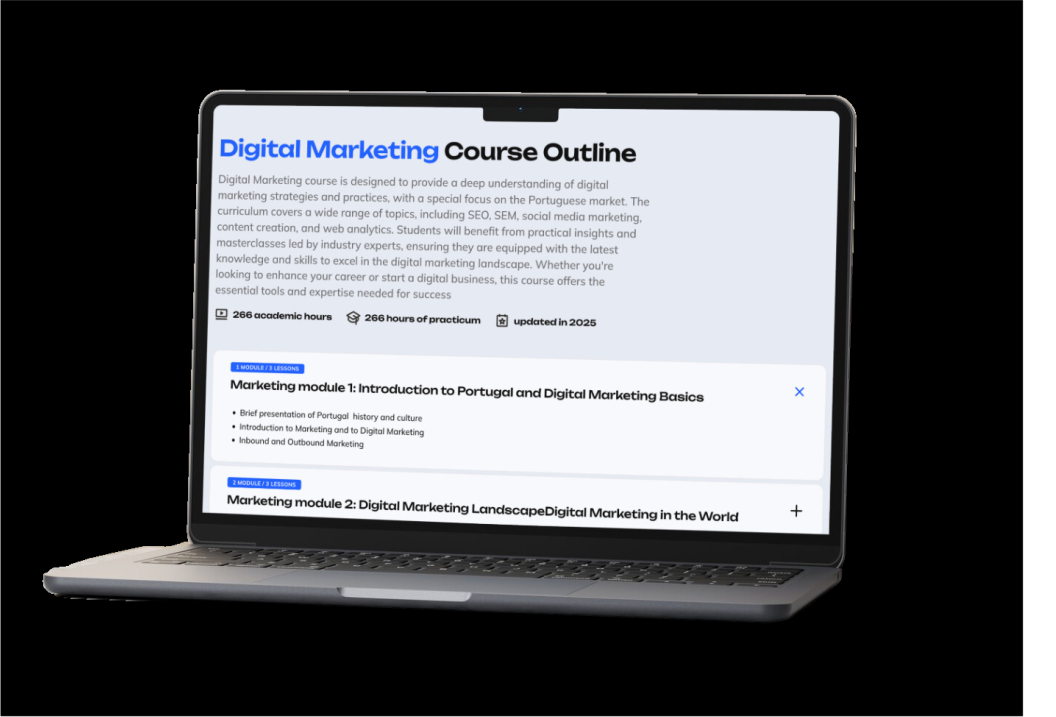
Both tracks cover employability basics: design fundamentals, typography, branding, marketing visuals, UX/UI basics, and modern workflows, including motion and AI visuals. The course also includes a module, Business & Marketing in Portugal, focused on the local context for students who want a clearer understanding of how creative work connects to the Portuguese market.
Where the tracks differ is your portfolio direction:
- Graphic Design – Motion Design & 3D Animation: a deeper focus on motion systems and 3D workflow, with outcomes described as a showreel (2–3 projects), a brand motion system, and a production-ready 3D scene/asset pack.
- Graphic Design – UX/UI & Digital Product Design: product-focused practice (research, flows, wireframes, prototyping, testing, accessibility, design systems, handoff), with outcomes like a portfolio product case study, a UI kit/design system, and clickable prototypes.
If credibility signals matter to you, the program also has a state-issued certificate and references a Portuguese state educational license.
7. A simple 30-day plan to start building your portfolio
If you want action steps, here's a realistic month plan:
Week 1: Fundamentals sprintRecreate three layouts you love, such as a poster, landing page, or editorial spread. Don't copy the content; instead, copy the structure: grid, type scale, and spacing.
Week 2: Brand systemPick a fictional brand. Define typography, color, and rules. Create 3 assets (social post, poster, packaging mockup).
Week 3: Campaign packCreate nine to twelve social visuals for one campaign. Make three variations of the same message.
Week 4: Digital layout + simple motionDesign a landing page in Figma. Then animate a short teaser (even minimal kinetic type).
By the end, you'll have the start of a strong portfolio — and a better idea of whether your lane is branding, marketing, design, motion/3D, or UX/UI.
Studying graphic design in Portugal can be both practical and creatively fulfilling, but the real difference comes from having structure. Learn the fundamentals, build projects that look like real work, and keep your routine realistic.
If you do that, Lisbon or Porto becomes more than a nice backdrop. It becomes part of a process that turns skills into a portfolio — and a portfolio into options.